Whether you’re a new arrival or you’ve lived here for years, whale watching in Southern California belongs on your bucket list. Seeing a blue whale surface just yards from your boat — or spotting a pod of playful dolphins racing alongside — is one of those experiences that photos never quite capture.
The good news? You don’t need to be an experienced boater or wildlife expert. A little planning and the right gear can make your first trip more comfortable and enjoyable.
Pick the right departure point
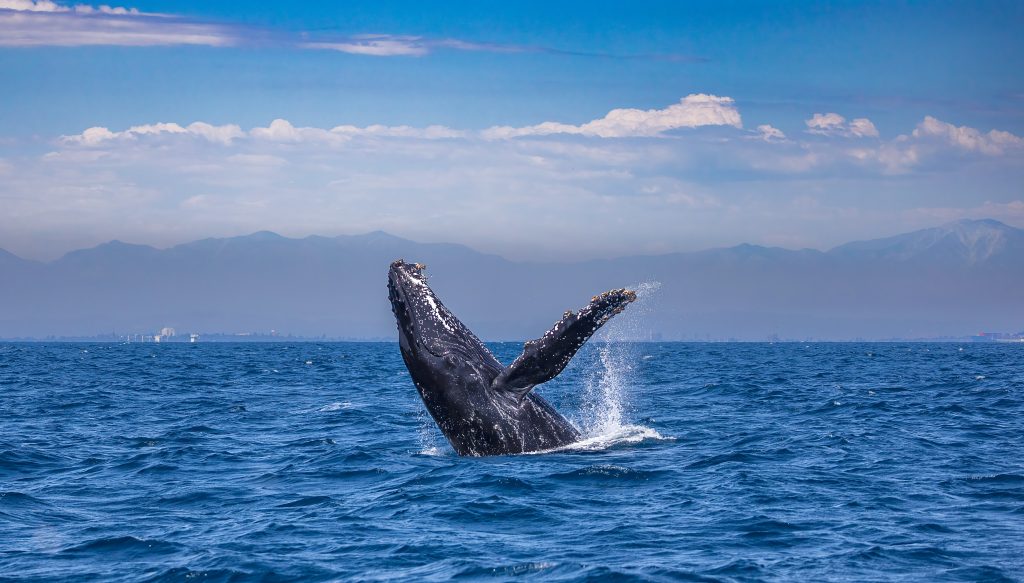
Whale watching in Southern California is a year-round activity, with different species taking center stage as the seasons change but summer is one of the best times to spot the ocean’s biggest residents. Blue whales, the largest animals on Earth, are commonly seen off the Southern California coast from late spring through early fall. Humpback whales, fin whales and large pods of dolphins also make frequent appearances during the warmer months.
As temperatures cool, the annual gray whale migration begins. From roughly December through April, thousands of gray whales travel between Alaska and the warm lagoons of Baja California, giving Southern Californians one of North America’s most spectacular wildlife migrations.
Some of the region’s most popular launching points include:
- Dana Point, often called the whale-watching capital of the world thanks to its year-round sightings.
- Newport Beach, known for frequent dolphin encounters and excellent whale tours.
- San Diego, where boats regularly head toward waters that produce some of the area’s best blue whale sightings during summer.
- Channel Islands Harbor near Oxnard for a less-crowded experience with spectacular scenery.
If you’d rather stay on land, scenic overlooks at Cabrillo National Monument, Point Loma, Torrey Pines, Dana Point Headlands and Palos Verdes also offer opportunities to spot migrating whales with a little patience.
Dress for the ocean, not the forecast
Even when it’s 80 degrees inland, the ocean can be surprisingly chilly.
For whale watching in Southern California, wear layers that you can add or remove throughout the trip. Closed-toe shoes with good traction are much more comfortable than sandals, and sunglasses plus sunscreen are must-haves because the sun reflects off the water.
A lightweight windbreaker is often the difference between enjoying the ride and counting the minutes until you’re back at the dock.
Don’t let seasickness ruin the day
Even people who never get carsick can discover that ocean swells are a different story.
If you’re prone to motion sickness, avoid arriving on an empty stomach, stay hydrated and spend as much time as possible looking toward the horizon instead of down at your phone.
One highly rated option is the Sea-Band Nausea Relief Acupressure Wristbands, which use pressure rather than medication to help reduce nausea. Because they’re reusable and drug-free, many travelers keep a pair in their day bag for boat trips and cruises.
Bring binoculars you’ll actually use
Whales don’t always surface right next to the boat. A lightweight pair of binoculars helps you spot spouts, breaches and distant wildlife long before everyone else notices.
Look for waterproof or water-resistant models with 8x or 10x magnification, which offer a good balance between detail and stability on a moving boat. One popular choice is the Nikon Prostaff P7 8×42, which offers bright optics, a wide field of view and waterproof construction without weighing down your backpack.
Keep your camera secure
Whether you’re carrying a DSLR, mirrorless camera or even a compact camera, a secure strap lets you keep it ready without worrying about dropping it overboard when the action starts.
A comfortable cross-body or padded neck strap also makes several hours on the water much easier. The Long Weekend Adjustable Camera Neck Strap has earned a following for its comfortable design and adjustable fit, making it a practical accessory if you’ll be taking lots of photos during the trip.
A few more items worth packing
A small backpack makes it easy to carry:
- Water bottle
- Sunscreen
- Polarized sunglasses
- Hat with a chin strap
- Lip balm
- Lightweight jacket
- Phone power bank
- Small towel or lens cloth
Be patient
Whale watching in Southern California isn’t a theme park ride. Sometimes you’ll spot whales within minutes. Other days the captain may spend time following birds, dolphins or feeding activity before finding larger marine mammals.
That’s part of the experience.
Along the way you may also see sea lions, harbor seals, pelicans and enormous pods of dolphins. Many veteran whale watchers say those unexpected encounters end up being just as memorable as the whales themselves.
With a little preparation — and a healthy appreciation for whatever nature decides to show you — you’ll be ready for one of Southern California’s most unforgettable adventures.