September marks the beginning of one of the best stretches of the year for Southern California stargazers. As summer gives way to fall, nights grow longer, temperatures become more comfortable in the mountains and desert, and the calendar fills with opportunities to see planets, meteor showers and other celestial sights.
That makes the coming months a good time to look beyond the glow of Southern California’s cities. In the right location, the difference can be dramatic: leave the coastal and urban lights behind and the night sky becomes crowded with stars that are largely invisible from a backyard in Los Angeles, Orange County or San Diego.
And you don’t need to be an astronomer to get started.
Start with the right location
Light pollution is the biggest challenge for Southern California stargazers. The farther you can get from major population centers, the more stars you’ll see.
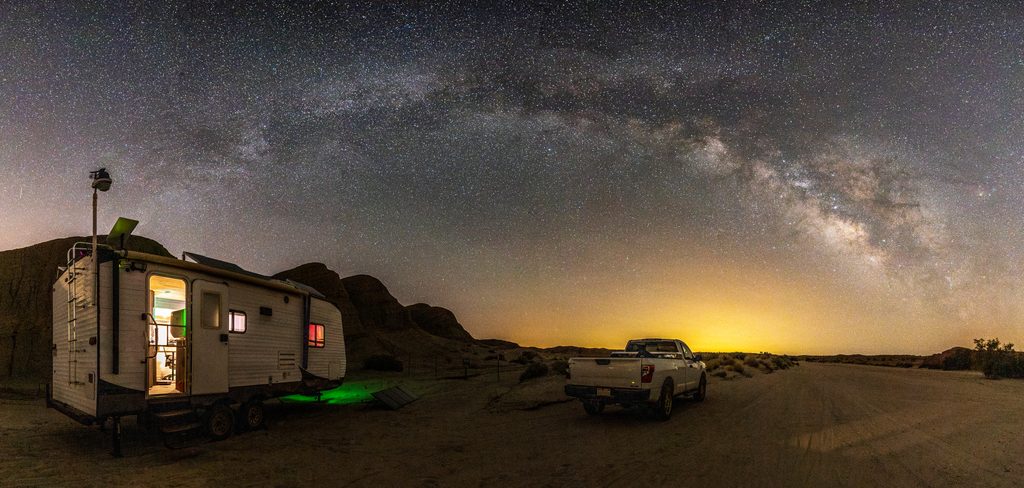
For San Diego County residents, Anza-Borrego Desert State Park is one of the region’s premier destinations. The park is an International Dark Sky Park, and the surrounding community of Borrego Springs is recognized as a Dark Sky Community. The wide-open desert and limited artificial light make it possible to see far more of the night sky than is visible in coastal San Diego.
Another option is Mount Laguna, where higher elevation and distance from city lights create favorable conditions. The area is home to the San Diego State University observatory, and the San Diego Astronomy Association operates a dark-sky observing site in Tierra del Sol where it holds public star parties.
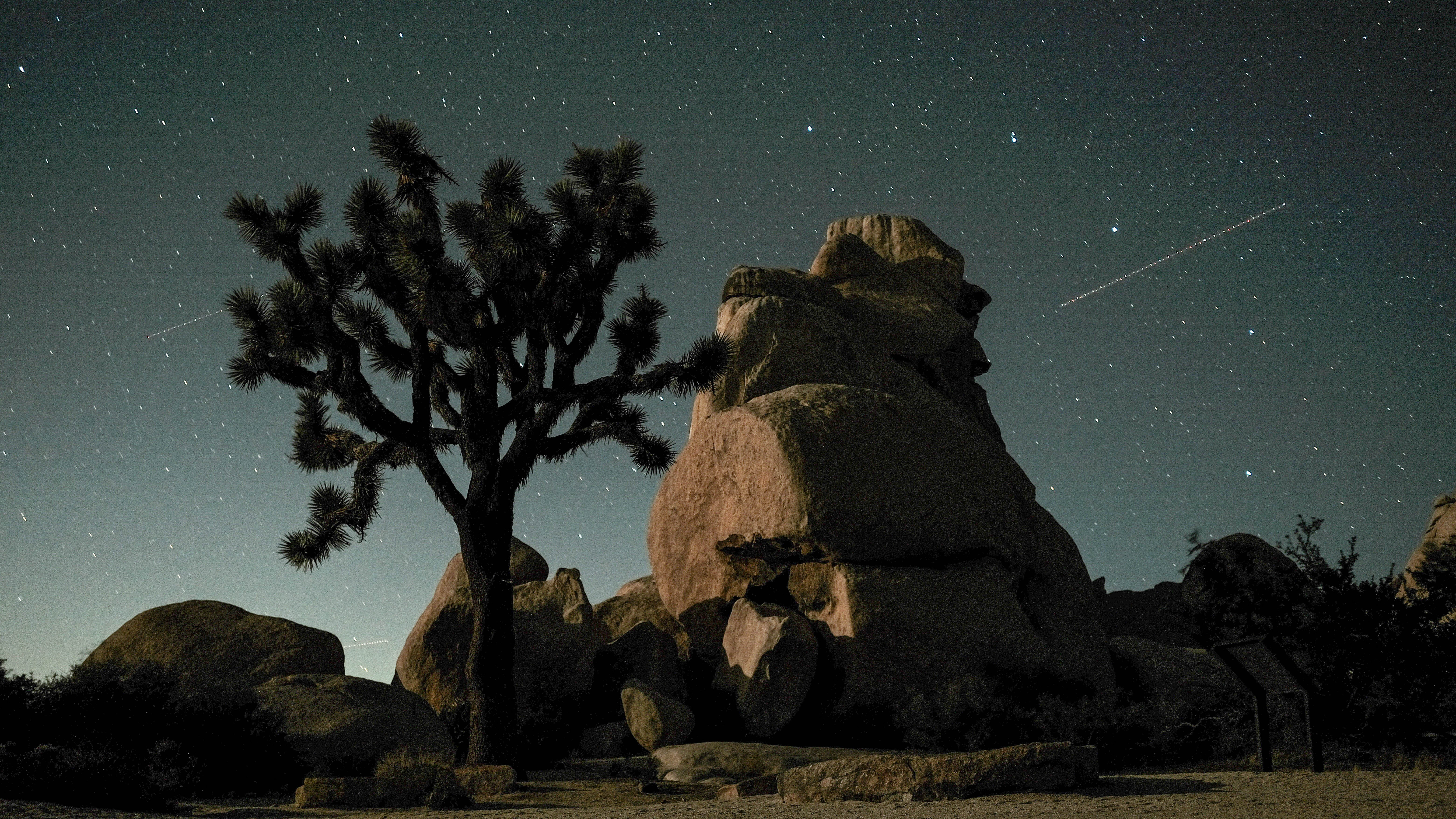
For residents of Los Angeles and Orange counties, Joshua Tree National Park is a popular dark-sky destination within a manageable weekend drive. The National Park Service recommends several areas for night-sky viewing, including Hidden Valley, Cap Rock and Ryan Mountain. The park’s eastern desert areas offer especially dark skies.
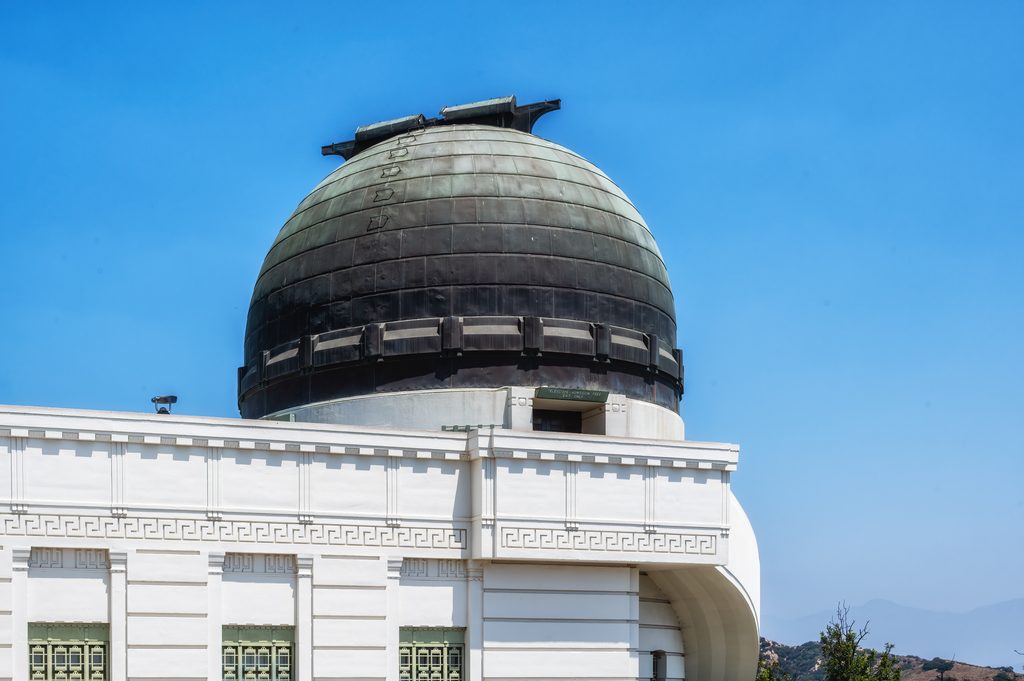
Closer to Los Angeles, Griffith Observatory offers a different kind of introduction. The surrounding city lights limit what you’ll see, but its free monthly public star parties bring dozens of telescopes to the lawn and give beginners a chance to see the moon, planets and other objects while talking with experienced amateur astronomers. Upcoming 2026 star parties are scheduled for Sept. 19, Oct. 17, Nov. 14 and Dec. 19.
You don’t need a telescope
A telescope can open up another level of astronomy, but it isn’t necessary for a first outing. In fact, learning the night sky with your unaided eyes can make the experience less intimidating.
A pair of binoculars is a useful middle ground. They are easier to use than a telescope and can reveal star clusters, lunar features and other objects that aren’t readily visible to the naked eye.
A red-light flashlight is another worthwhile addition. Unlike a bright white flashlight or phone screen, red light is less disruptive to night vision. Bring a reclining chair or blanket, warm layers and plenty of water, particularly if you’re heading into the desert or mountains.
Most importantly, give your eyes time to adjust. It can take roughly 20 to 30 minutes for night vision to become fully established.
Mark the fall sky calendar
September gets the season moving with several opportunities for skywatchers. Venus appears prominently in the evening sky, while Neptune reaches opposition Sept. 26, putting the distant planet in a favorable position for telescope viewing. The September equinox arrives Sept. 22, bringing increasingly longer nights to the Northern Hemisphere.
Meteor showers provide some of the easiest celestial events for beginners because no equipment is required. The Orionids peak around Oct. 21-22, followed by the Leonids around Nov. 16-17. The Geminids arrive Dec. 13-14 and are considered one of the strongest and most reliable annual meteor showers.
Moonlight can make a significant difference, however, washing out fainter meteors and stars. Check the moon phase before planning a trip, particularly if your goal is to see the Milky Way or other faint objects.
Southern California’s fall weather can be an advantage for stargazers. Inland and desert temperatures generally become more manageable after the heat of summer, while the earlier sunset makes it possible to spend more time observing without staying out until the middle of the night.
The trade-off is temperature. Desert and mountain locations can become surprisingly cold after sunset, even when the afternoon was warm. Check conditions before leaving and bring layers rather than assuming a mild evening will stay that way.
Clear skies matter, too. Clouds, haze, smoke and strong winds can quickly turn a promising astronomy outing into a long drive for a disappointing view. Check the forecast and, for serious trips, look at a dedicated cloud-cover or astronomical seeing forecast before heading out.